




High blood pressure can develop without causing obvious problems at first. Many people feel completely normal even when their blood pressure has been above a healthy range for some time. This is why regular checks are important. Finding high blood pressure early can give you more time to make lifestyle changes, speak with a healthcare professional, and reduce the chance of future health problems.
Blood pressure readings can change during the day, so one high result does not always mean you have hypertension. A healthcare professional may use several readings before making a diagnosis.
Understand why high blood pressure can be hard to notice
High blood pressure is often difficult to spot because it may not cause clear symptoms. A person can feel healthy while the heart and blood vessels are under extra strain.
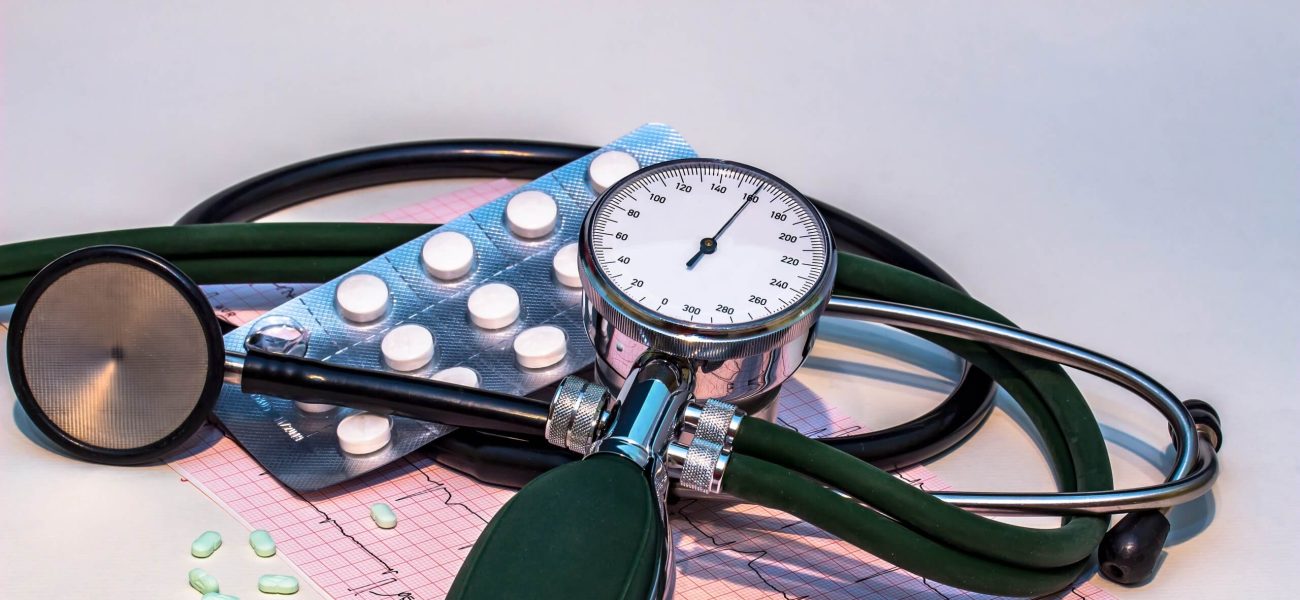
This makes routine blood pressure checks one of the most useful ways to catch a problem early. Checks may be done during medical visits, at pharmacies, or with a suitable home monitor.
It is important not to rely only on how you feel. Waiting for strong symptoms may allow high blood pressure to continue unnoticed.
Adults should ask a healthcare professional how often their blood pressure should be checked based on age, health history, and other risk factors.
Pay attention to headaches and dizziness
Headaches and dizziness can happen for many reasons. Stress, dehydration, lack of sleep, illness, or other health conditions can all cause these symptoms.
In some cases, people with very high blood pressure may experience headaches or feel light-headed. However, these signs alone cannot confirm that blood pressure is the cause.
If headaches become frequent, severe, or different from usual, it is worth discussing them with a healthcare professional.
You can also check your blood pressure if you have access to a reliable monitor. Keeping a record of readings may help your doctor see whether there is a pattern.
Notice vision changes or unusual tiredness
Some people become concerned about high blood pressure after noticing blurred vision or unusual tiredness. These symptoms may have many causes, so they should not be used as a way to diagnose hypertension.
A sudden change in vision can sometimes need urgent medical care, especially when it appears with other serious symptoms.
Long-term tiredness may also be linked to poor sleep, stress, anaemia, medication, or many other conditions.
Learning about possible high blood pressure symptoms can help you understand what may deserve attention, but a blood pressure measurement and medical assessment are needed for a proper diagnosis.
Watch for chest pain or shortness of breath
Chest pain and shortness of breath should always be taken seriously. They can have many possible causes, including conditions that require urgent treatment.
Very high blood pressure may place extra strain on the heart and circulation. In severe cases, a person may experience chest discomfort, trouble breathing, confusion, or other warning signs.
Do not assume these symptoms are simply caused by stress or anxiety.
Seek urgent medical help for severe chest pain, major breathing difficulty, fainting, sudden weakness, or other serious symptoms. Emergency care is especially important if blood pressure is extremely high and symptoms are present.
Know your personal risk factors
Some people are more likely to develop high blood pressure than others. Risk can increase with age, family history, excess body weight, low physical activity, smoking, and a diet high in sodium.
Certain health conditions may also raise the risk. Kidney disease, diabetes, and sleep problems are among the conditions that can be linked with blood pressure changes.
Some medicines can also affect blood pressure. If you take regular medication, ask a doctor or pharmacist whether blood pressure changes are a possible side effect.
Knowing your risk factors does not mean that high blood pressure is certain. It simply helps you understand why regular checks may be especially important.
Check your blood pressure correctly
Home monitoring can be useful when done correctly. Use a monitor that fits properly and follow the instructions provided with the device.
Sit quietly for several minutes before taking a reading. Keep your feet flat on the floor and support your arm so it is around heart level.
Avoid exercise, smoking, or large amounts of caffeine shortly before checking when possible, since these may affect the result.
Taking readings at similar times can help create a clearer record. Some people take more than one reading and record the results for their healthcare provider.
Do not change prescribed medication based only on home readings unless your doctor tells you to do so.
Make lifestyle changes that support healthy blood pressure
Lifestyle changes can play an important role in blood pressure management. Regular physical activity is one useful step for many people.
A balanced diet that includes fruits, vegetables, whole grains, and other nutrient-rich foods may also support heart health. Limiting excess sodium may be recommended for some people.
Maintaining a healthy weight, avoiding tobacco, and limiting alcohol can also support blood pressure control.
Sleep and stress management matter too. Poor sleep and ongoing stress may make healthy routines more difficult to maintain.
Know when to speak with a healthcare professional
Contact a healthcare professional if your blood pressure readings are repeatedly higher than recommended. They can help determine whether more testing or treatment is needed.
A doctor may ask about family history, diet, activity, medicines, and other health conditions. Blood or urine tests may sometimes be used to look for other problems.
Treatment may include lifestyle changes, medication, or both. The right approach depends on your blood pressure level and overall health.
If medication is prescribed, take it as directed. Do not stop because you feel well, since high blood pressure may remain present without clear symptoms.
Regular follow-up visits can help show whether the treatment plan is working.
Conclusion: Take early blood pressure changes seriously
High blood pressure can be difficult to recognise because it often develops without obvious warning signs. Headaches, dizziness, tiredness, or other changes may occur, but they can also have many other causes.
Regular blood pressure checks are the most reliable way to notice a possible problem early.
Knowing your risk factors, following healthy daily habits, and keeping track of your readings can support better long-term care.
If your numbers remain high or you develop concerning symptoms, speak with a qualified healthcare professional. Early attention can make it easier to manage blood pressure and protect your heart, brain, kidneys, and overall health.