





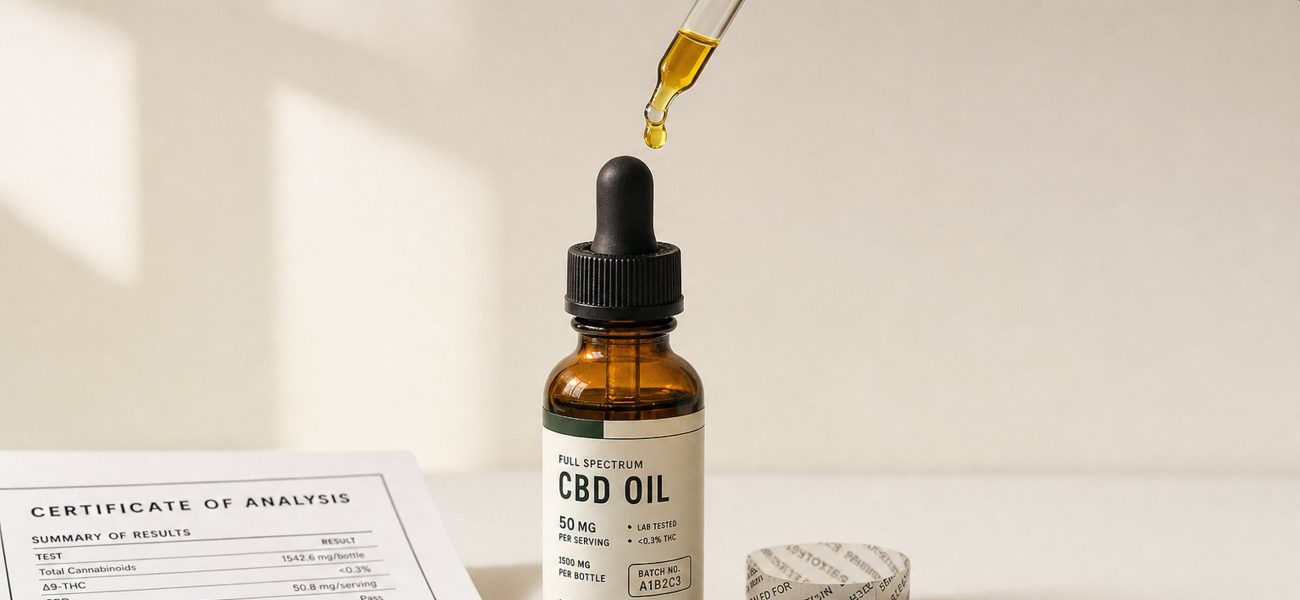

As CBD continues to gain popularity for wellness routines, concerns about fake and low-quality products have grown rapidly. Consumers are increasingly aware that not all CBD on the market meets the same standards of safety and transparency. Trusted guidance is now essential to help you navigate a market facing challenges with counterfeit CBD goods.
Growing enthusiasm for CBD wellness options means more brands and products are available than ever, and the chance to order CBD online at low prices can tempt anyone seeking an affordable way to support their routine. However, this rapid growth attracts newcomers who may cut corners on quality or misrepresent products. Whether you use CBD to enhance daily wellbeing or to support specific wellness goals, the risk of encountering counterfeit CBD products makes it crucial to know how to distinguish legitimate options. Understanding the signs of fake CBD and how it impacts your expectations will help you make safer and more informed choices.
Why increased demand brings more risk and confusion
Opportunities and challenges from a booming market
As more people discover the potential benefits of CBD, the market expands with a wide array of new options and brands seeking consumer attention. This rapid expansion, however, can create opportunities for fake CBD products to enter shops and online marketplaces without comprehensive screening processes. The result is a complex environment where genuine and counterfeit products exist side by side.
Counterfeiting routes and consumer confusion
Counterfeit CBD products range from those with insignificant amounts of active ingredient to batches that bypass essential quality checks. The lack of consistent regulations or timely oversight enables such products to reach shelves and digital storefronts. Unreliable manufacturing can lead to inconsistencies or even contamination, threatening consumer trust and safety. Shoppers often struggle to differentiate between authentic and counterfeit goods, facing conflicting information and unfamiliar certification claims.
What you actually risk with unreliable CBD purchases
Financial impact and wellness setbacks
The term “fake” often covers CBD that is either under-dosed, does not contain the advertised cannabinoid profile, or lacks reliable lab verification. Many consumers find these products fail to deliver noticeable effects, leading to wasted spending and disappointment in their wellness journeys. Unmet expectations can discourage future CBD use and erode confidence in the health and wellbeing sector.
Lack of transparency and quality information
Additionally, when a product lacks transparency, consumers remain unaware of the true source, production processes, or potential contaminants. As people increasingly rely on CBD for daily support, these knowledge gaps create uncertainty and make it harder to determine which brands and products can be trusted. This absence of clear guidance has encouraged a more critical and informed approach to shopping for CBD.
How consumers are protecting their wellness investments
Key strategies for safeguarding purchases
Many consumers are now learning to look beyond marketing claims and prioritise evidence-led choices. Practical steps include seeking out genuine certificates of analysis, verifying batch numbers, and ensuring company information is accessible and current. By adopting such habits, shoppers can reduce the likelihood of unintentionally purchasing inferior products.
Scrutiny of brand transparency and communication
There is a rising demand for companies to conduct routine third-party testing, provide full transparency about sourcing, and clearly explain responsible claims about CBD’s effects. Purchasing CBD online can be safe when supported by verifiable documentation and comprehensive customer education, setting honest expectations about wellness outcomes and minimising disappointment.
Mama Kana’s approach to consumer confidence and responsible CBD
Mama Kana stands out within the crowded CBD market due to its focus on quality control, transparency, and accessibility. The brand is committed to offering clear lab reports for every batch, highlighting a transparent approach that empowers consumers to understand product composition before making a purchase. By ensuring that customers have access to all relevant certifications and quality documentation, Mama Kana addresses a key obstacle faced by many in the market – uncertainty about origins and ingredients.
Other differentiating features include an emphasis on honest communication and responsible marketing, which help demystify the CBD experience for new and returning customers alike. Furthermore, Mama Kana champions the democratisation of CBD, believing that everyone should have access to safe, thoroughly vetted products and reliable information. This approach not only positions Mama Kana as a trustworthy source, but also contributes to raising industry standards and reducing the incentive for counterfeiters.
Through these ongoing commitments, the brand demonstrates how responsible practices can support both individual confidence and the overall credibility of the CBD sector.
Responsible practices that support lasting trust in CBD
Establishing industry-wide accountability
The most credible brands demonstrate their commitment through consistent product testing, detailed lab reports, and comprehensive consumer resources explaining results. These steps, accompanied by honest labelling practices, ensure that people can reliably assess what they are buying and help minimise risks associated with counterfeit CBD.
The role of the informed consumer
As the normalisation of CBD continues, well-informed consumers who demand transparency play an essential role in elevating industry standards. By prioritising clear information and accountability, shoppers contribute to a market environment where ethical practices become the norm and fewer incentives exist for the distribution of fake products. Ultimately, persistent vigilance and education will be vital to maintaining trust and integrity as the CBD market matures.