





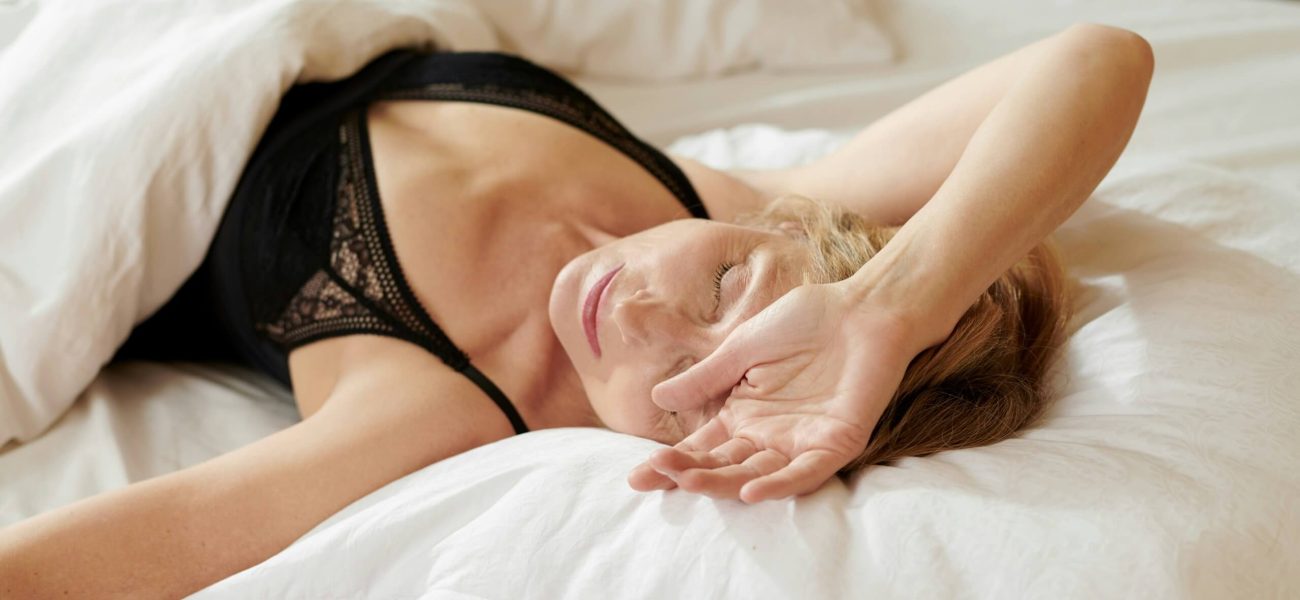

Nobody sits you down and warns you that menopause is going to come for your sleep. You hear about hot flushes and mood swings, but the sheer, grinding exhaustion of month after month of broken nights often takes women completely by surprise. Sleep problems are one of the most common and most disruptive symptoms of the menopausal transition, and one of the least talked about. If you’re lying awake at 4 am wondering what’s happening to you, here’s what nobody warned you about.
You are not alone
First, know that you are very much not alone, because this is extremely common. A large proportion of women experience significant sleep disruption during perimenopause and menopause, so if your once-reliable sleep has fallen apart, it’s not a personal failing or a sign you’re doing something wrong. It’s a well-documented, widely shared part of the transition. Simply understanding that this is a normal, recognised phenomenon, rather than some mysterious personal malfunction, can take a surprising weight off your mind.
The hormonal root
The main driver is hormonal, and it makes biological sense once explained. As levels of oestrogen and progesterone fall and fluctuate, they disrupt the body’s systems for regulating both temperature and sleep itself. Progesterone in particular has sleep-promoting properties, so as it declines, sleep often becomes lighter and harder to maintain. These hormonal shifts are the root cause, which is why the sleep problems can feel so stubborn and out of your control, because in a real sense they are.
Hot flushes and night sweats
Hot flushes and night sweats are the most notorious sleep-wreckers of the lot. Waking drenched and overheated, sometimes several times a night, throwing the covers off and then getting cold, is a miserable and exhausting cycle that shatters sleep. The sudden surges of heat are directly linked to the hormonal changes, and they tend to strike at night, which is precisely why they’re so devastating to rest. For many women, managing the night sweats is the single biggest key to sleeping better.
Managing your temperature
Managing your temperature at night becomes absolutely central, and this is where practical changes help most. Keeping the bedroom cool, dressing in light layers you can shed, and choosing the right bedding all make a genuine difference to how badly night sweats disrupt you. Choosing breathable, temperature-friendly bedding that wicks moisture and lets heat escape, rather than trapping it against you, can be a real ally through this phase, helping you recover faster from a flush and stay comfortable enough to fall back asleep.
It’s not only the heat
It isn’t only the heat, though, because anxiety and mood changes pile on top. The menopausal transition often brings increased anxiety, low mood, and a racing mind, all of which independently make sleep harder, and all of which are worsened by the exhaustion of broken nights, creating a vicious circle. So you may be waking from night sweats and then lying awake with a churning, anxious mind, a horrible double blow. Addressing the mental side matters as much as managing the physical symptoms.
Routine matters more than ever
A consistent sleep routine becomes more important than ever during this time, precisely because sleep has become so fragile. Regular bedtimes, a calming wind-down, cutting back on late caffeine and alcohol, both of which can trigger flushes and worsen sleep, and a cool, dark, comfortable bedroom all help stack the odds in your favour. You can’t control the hormones, but you can control the conditions around your sleep, and getting those as good as possible gives your disrupted nights the best chance.
Get your sleep environment right
Your overall sleep environment deserves real attention, because small comforts add up when nights are hard. A cool room, a comfortable and supportive bed, and bedding designed to keep you cool together create the best possible backdrop for sleep during a phase when it doesn’t come easily. When your body is already working against you, removing every other obstacle – heat, discomfort, light, noise – matters more than ever, so this is a worthwhile time to get your whole sleep setup right.
You don’t have to just endure it
Crucially, you don’t have to just grit your teeth and endure it, and this is the part too many women don’t hear. There is genuine help available, from lifestyle changes to cognitive approaches for the anxiety to medical options including HRT, and menopausal sleep problems are a legitimate thing to raise with your doctor. If disrupted sleep is wrecking your days, please don’t suffer in silence assuming nothing can be done, because a lot often can, and you deserve proper support through it.
Be kind to yourself
It also helps to be compassionate with yourself through what is genuinely a demanding transition. Beating yourself up over lost sleep, or pushing through on empty while dismissing your own exhaustion, only adds stress to an already stressful time. Rest whenever you can, lower your standards where you’re able to, and treat yourself with the kindness you’d offer a friend going through the same thing. This is a real, hard, temporary phase, and you’re allowed to take it seriously and look after yourself.
Talk about it openly
Perhaps the most useful thing of all is simply to talk about it, because the silence around menopausal sleep problems leaves far too many women suffering alone and assuming it’s just them. Sharing what you’re going through with friends, a partner, or others in the same phase is both a relief and a genuine source of practical tips, and it chips away at the stigma that keeps the whole subject in the shadows. The more openly this common, disruptive symptom is discussed, the easier it becomes for everyone going through it to get the understanding and support they actually need.
A problem worth talking about
The menopause sleep problem is real, common, and genuinely disruptive, and it deserves far more open discussion than it gets. If it’s happening to you, know that it’s not your fault, that managing your temperature and environment can help a great deal, and that proper support is out there if you need it. Nobody may have warned you, but you’re genuinely not alone in it, and there’s plenty you can do to sleep better through it and come out the other side rested.