







Porcelain veneers offer a cosmetic dental solution designed to enhance the appearance of your smile. Veneers can provide subtle changes or dramatic improvements, so weighing the benefits, limitations, costs, and maintenance is crucial before committing to this treatment. This guide presents five key factors to help determine if porcelain veneers are the right investment for your dental and aesthetic needs.
Choosing cosmetic dental treatments like porcelain veneers is a significant decision that can impact your self-image and daily comfort. When considering Porcelain Veneers London as part of your dental care, understanding the realities and commitments required by this procedure is essential. As with any aesthetic enhancement, it is important to balance expectations, oral health requirements, practical outcomes, and potential long-term needs before proceeding. Exploring the following five considerations will support a more confident and informed choice about whether veneers are truly worth it for you.
1. The aesthetic and functional improvements veneers can provide
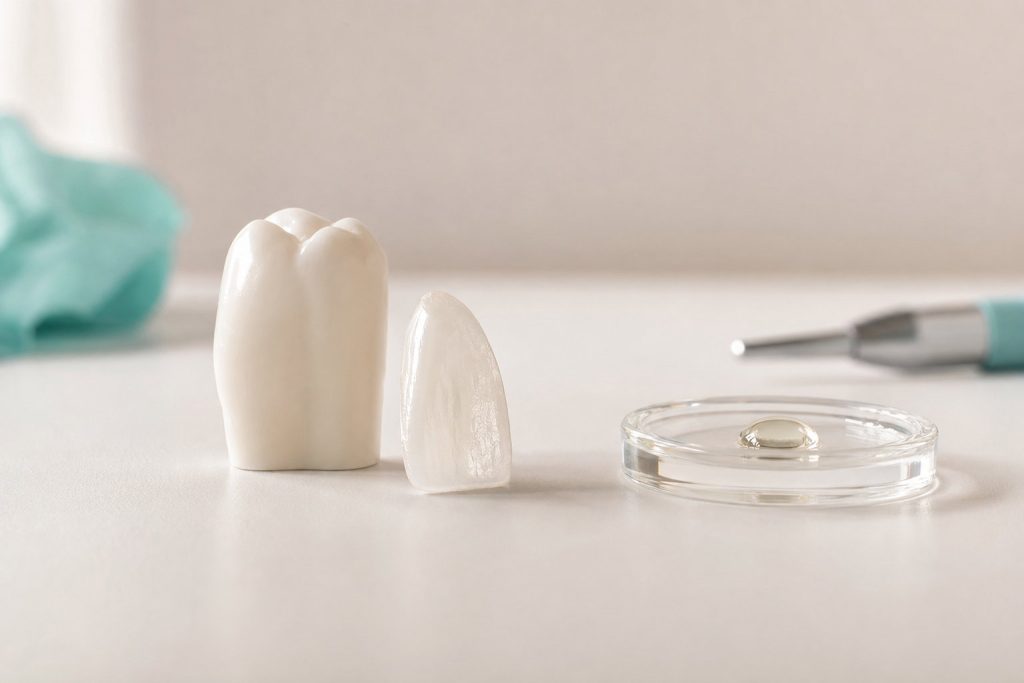
Porcelain veneers are thin shells bonded to the front of your teeth, specifically designed to improve appearance. They can address issues such as discolouration, minor chips, uneven tooth edges, and small gaps, helping to create a more uniform and appealing smile.
While they offer significant cosmetic benefits, veneers do not resolve major dental health problems or structural concerns. They are best suited to individuals seeking purely aesthetic changes, as underlying issues like decay or gum disease must be treated first. Considering your specific needs is important when weighing their value.
Beyond correcting visible imperfections, porcelain veneers can also enhance facial symmetry and boost confidence in social and professional settings. Many individuals report feeling more comfortable smiling openly after treatment, which can positively influence personal interactions and self-esteem. The natural translucency of high-quality porcelain closely mimics tooth enamel, allowing veneers to blend seamlessly with surrounding teeth for a realistic appearance. This combination of aesthetic refinement and psychological benefit makes veneers an appealing option for those seeking comprehensive smile enhancement.
2. Suitability, preparation, and overall impact on dental health
Veneers require a sound foundation, including healthy teeth and gums, for success and longevity. Candidates with sufficient enamel are better suited, since the veneer process involves removing a small layer of natural tooth material for effective bonding.
If you have significant enamel wear, gum recession, or teeth-grinding habits, veneers may not be the most suitable option. Consulting a dental professional ensures that you understand both the potential benefits and limitations specific to your oral health before making a commitment.
The preparation process for veneers is generally irreversible, as the removal of enamel permanently alters the tooth structure. This means that once you commit to veneers, your teeth will always require some form of covering to protect the prepared surfaces. Understanding this permanence is crucial, as it influences your long-term dental care pathway. Additionally, individuals with active orthodontic issues or misaligned bites may need to address these concerns before veneers can be successfully applied, ensuring optimal fit and function for years to come.
3. Costs, maintenance needs, and long-term expectations
The investment in porcelain veneers includes the initial procedure, routine maintenance, and potential future replacements. Veneers require regular oral hygiene, thoughtful care, and avoidance of habits that could cause damage, like biting hard objects or using teeth as tools.
Practising consistent dental care not only helps maintain your veneers but also supports your overall oral health. It is important to factor in these ongoing requirements, as neglecting maintenance can shorten the lifespan of your veneers and increase future costs.
4. Longevity and planning for repeat treatments
Porcelain veneers typically last between seven and 15 years with proper care, but no cosmetic dental treatment is permanent. Over time, minor cracks or loosening can occur, requiring professional evaluation and periodic assessment.
When replacement becomes necessary, the process involves removing the old veneer and fitting a new one, often referred to as Replacement Veneers. Planning ahead for replacement veneers, including cost and timing, helps you stay prepared for the long-term commitment involved in maintaining a consistently attractive smile with veneers.