





Anxiety is more than a psychological experience; it represents the nervous system’s response to perceived threat, uncertainty, or sustained stress. From a clinical perspective, anxiety is often associated with stress-system activation, including changes in hypothalamic-pituitary-adrenal axis signalling and autonomic balance, though patterns vary by individual and context. Many people seeking how to reduce stress and anxiety turn quickly to supplements.
While supplements may offer short-term support, long-term resilience depends on restoring nervous system balance through behaviour, environment, and skill development. Sustainable natural stress relief focuses on modifying inputs that continuously signal danger or safety to the brain and body.
Why supplement dependence can backfire
Overreliance on supplements can unintentionally weaken internal coping capacity. Variable product quality, dosing uncertainty, and drug-supplement interactions are well-documented concerns. In some cases, people also develop psychological reliance or escalating use patterns when they feel they cannot cope without a product. Psychologically, supplements can reinforce external regulation, where calm is expected to come from a pill rather than learned self-regulation.
When people ask how to reduce stress and anxiety, evidence increasingly supports approaches that train physiological adaptability instead of masking symptoms. This does not mean supplements are never appropriate, but they should support, not replace, foundational lifestyle interventions for how to reduce stress naturally.
Nervous system regulation as the core strategy
At the centre of effective anxiety support is autonomic regulation. Chronic stress keeps the sympathetic nervous system dominant, increasing muscle tension, heart rate variability suppression, and threat sensitivity. Interventions that restore parasympathetic tone improve emotional regulation and stress tolerance.
Breath regulation is particularly effective. Slow nasal breathing with a longer exhale can increase parasympathetic activity and support calmer autonomic regulation. Clinical studies show that structured breathing for anxiety attack scenarios can reduce panic intensity by lowering carbon dioxide sensitivity and interrupting hyperventilation cycles.1 For consistent results, guidance rooted in professional breathwork education is preferable to random online techniques, especially for individuals prone to dizziness or panic.
Sleep quality as a non-negotiable factor
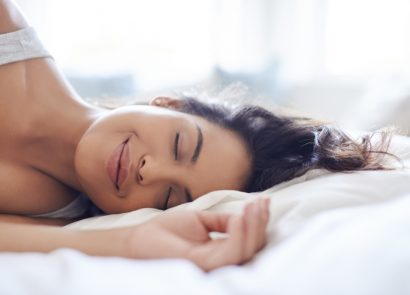
Sleep deprivation amplifies anxiety through heightened amygdala reactivity and impaired prefrontal inhibition. Even one night of poor sleep can increase next-day anxiety sensitivity. Supporting anxiety, therefore, requires strategies to improve your sleep consistently.
This includes stable sleep and wake times, reduced evening light exposure, and minimising late caffeine intake. When sleep improves, cortisol rhythms often become more stable, making it easier to apply stress-regulation skills during the day without relying on supplements.
Movement that calms rather than stimulates
Exercise is often recommended, but intensity matters. Excessive high-intensity training can increase cortisol and worsen anxiety in already stressed individuals. Research supports moderate aerobic activity, walking, and resistance training as effective for natural stress relief.2
These forms of movement improve insulin sensitivity, increase brain-derived neurotrophic factor, and enhance mood regulation without overstimulating the nervous system. When integrated consistently, movement becomes one of the most reliable ways to reduce stress naturally while building long-term stress resilience.
Nutrition and anxiety without pill-based solutions
Blood sugar instability is a major but overlooked contributor to anxiety. Rapid glucose fluctuations activate stress hormones, mimicking anxiety symptoms. Regular meals with adequate protein, fibre, and healthy fats stabilise energy and mood. Emphasising mood-boosting foods such as omega-3-rich fish, fermented foods, complex carbohydrates, and magnesium-containing vegetables supports neurotransmitter synthesis naturally.
Reducing excessive caffeine and alcohol intake plays a critical role in reducing stress and anxiety, sometimes more than adding new supplements.
Cognitive and emotional skill development
Anxiety persists when the brain repeatedly misinterprets discomfort as danger. Cognitive-behavioural frameworks show that building distress tolerance reduces symptom escalation. Mindfulness, when practised correctly, trains attention without suppression.
Journalling, interoceptive exposure, and thought labelling reduce fear conditioning over time. These practices complement physiological tools like breathing for anxiety attacks, allowing individuals to remain present without avoidance. Skill-based approaches outperform passive strategies for natural stress relief because they retrain threat perception itself.
Environmental inputs that shape stress load
Modern environments constantly activate alert systems. Excessive screen exposure, noise, and unpredictable schedules maintain low-grade stress. Research in environmental psychology shows that nature exposure lowers cortisol and improves autonomic balance.3 Creating sensory-safe spaces at home and work reduces cumulative stress load. These adjustments support stress reduction naturally by lowering the baseline level of nervous system activation, rather than managing crises after they occur.
When professional support is the most effective path
Persistent anxiety, panic attacks, or functional impairment warrant professional care. Therapy, particularly modalities grounded in neuroscience and behavioural medicine, accelerates recovery by addressing both cognitive and physiological drivers. Seeking support is not a failure of self-regulation but often the most efficient method for learning how to reduce stress and anxiety without escalating self-experimentation. Professional guidance often reduces supplement dependence by replacing it with structured skill acquisition.
Building anxiety resilience through skills, not substances
Sustainable anxiety support is built through repeated nervous system training, not quick fixes. By prioritising sleep, movement, nutrition, cognitive skills, and regulated breathing, individuals develop an internal capacity for calm. When practised consistently, strategies like breathing for anxiety attacks and lifestyle-based natural stress relief reduce symptom frequency and intensity. The most effective answer to reducing stress and anxiety is not what to add, but what to practise, refine, and maintain over time.
References
- Bentley TGK, D’Andrea-Penna G, Rakic M, Arce N, LaFaille M, Berman R, Cooley K, Sprimont P. Breathing Practices for Stress and Anxiety Reduction: Conceptual Framework of Implementation Guidelines Based on a Systematic Review of the Published Literature. Brain Sci. 2023 Nov 21;13(12):1612. doi: 10.3390/brainsci13121612. PMID: 38137060; PMCID: PMC10741869.
- Anderson E, Shivakumar G. Effects of exercise and physical activity on anxiety. Front Psychiatry. 2013 Apr 23;4:27. doi: 10.3389/fpsyt.2013.00027. PMID: 23630504; PMCID: PMC3632802.
- Jimenez MP, DeVille NV, Elliott EG, Schiff JE, Wilt GE, Hart JE, James P. Associations between Nature Exposure and Health: A Review of the Evidence. Int J Environ Res Public Health. 2021 Apr 30;18(9):4790. doi: 10.3390/ijerph18094790. PMID: 33946197; PMCID: PMC8125471.