


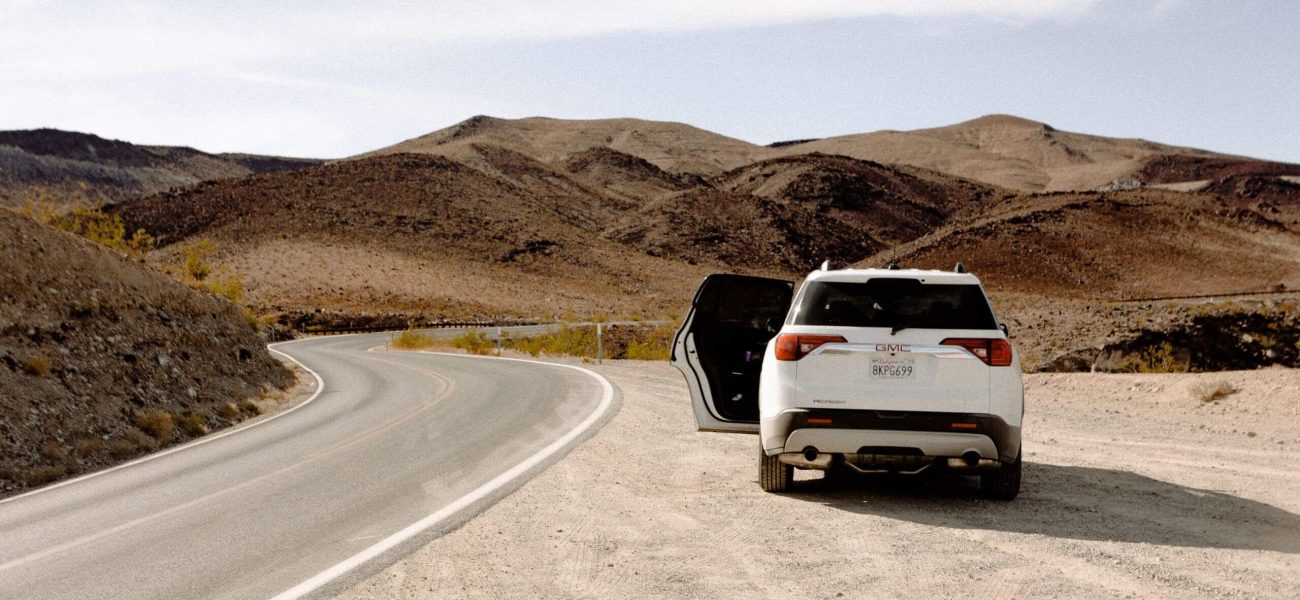

Views, conversations and random detours add colour to the best road trip memories. Tight muscles and exhaustion from driving add no fond memories to any road trip. Driving for hours drains the body and mind. Endless kilometres wear down your attention to the road. Constant exposure to the dry and recycled air in the cabin throws off the body’s natural moisture.
Most of the factors affecting comfort on a long drive can be planned for. Luck has little to do with it. The right breaks, water, posture and the right kind of car can all be managed to ensure a more comfortable drive.
Why long drives wear you out
The biggest enemy is fatigue. The European Commission’s road safety observatory names it as a major factor in 10–20% of road crashes, and says that driving while being awake for 17 hours is about as dangerous as driving with a blood alcohol level of 0.05. A classic British study on sleep-related crashes found they peaked around 2 am, 6 am and 4 pm, so the “mid-afternoon dip” is not imagined.
Often, people miss the warning signs of tired driving. They include frequent yawning, blinking, and forgetting the last few kilometres. Missing exits or drifting out of a driving lane are also warning signs. The CDC states opening the window or turning the music up does not keep a tired driver alert. Pulling over to rest does.
Plan your breaks before you need them
The UK Highway Code recommends taking a break after every two hours of driving, and taking a minimum break of 15 minutes. This is a recommendation worth following. You should stop in a safe location, leave your vehicle and take a short walk.
If you find yourself beginning to feel tired, a brief “caffeine nap” can help you buy time. Drivers in one simulator study by Reyner and Horne took a short nap (under 15 minutes) after a coffee and made far fewer driving errors than those who just had coffee. Of course, as a quick fix this is not a substitute for getting proper rest. And at 120 km/h your car is covering about 33 metres each second. A quick lapse is a long way to travel blind.
Set up your seat for the long haul
Posture is important over longer periods of time. The Chartered Society of Physiotherapy suggests beginning in a neutral position and not reclining too far because it pushes the head and neck forward. Lumbar support should also press evenly against the lower back. RoSPA also advises that the top of the head restraint should be even with the top of your head.
Long periods of sitting also affect circulation. The World Health Organization has found the risk of blood clots in the veins roughly doubles after four or more hours seated, whether it be on a plane or in a car, although the overall risk is still low. The NHS suggests wearing loose-fitting clothing, drinking plenty of water and taking a walk as often as you can.
Water, food and heat
Mild dehydration can affect driving. Drivers in a study at Loughborough University who were dehydrated made 101 errors, compared with 47 errors when properly hydrated. The NHS says the recommended fluid intake is six to eight glasses a day, and more should be consumed in hot weather. Water should be kept easily accessible.
Light meals are better for travel than heavy meals or spicy meals, especially for people who are prone to motion sickness. The NHS advises such passengers to sit in the front, look at a fixed point on the horizon, get some fresh air, and avoid looking at screens. The CDC states that children aged 7 to 12 are the most at risk.
Heat deserves special respect in the UAE, where inland areas recorded temperatures of over 50 degrees Celsius during the summer of 2025. Cars heat up quickly. In a study, the temperature in a parked car rose by approximately 1.8 degrees every five minutes. It is never safe to leave a child in a car. Under Wadeema’s Law in the UAE, it is a criminal offence to leave a child in a car, and you can be fined and/or face jail time.
The car makes a bigger difference than you think
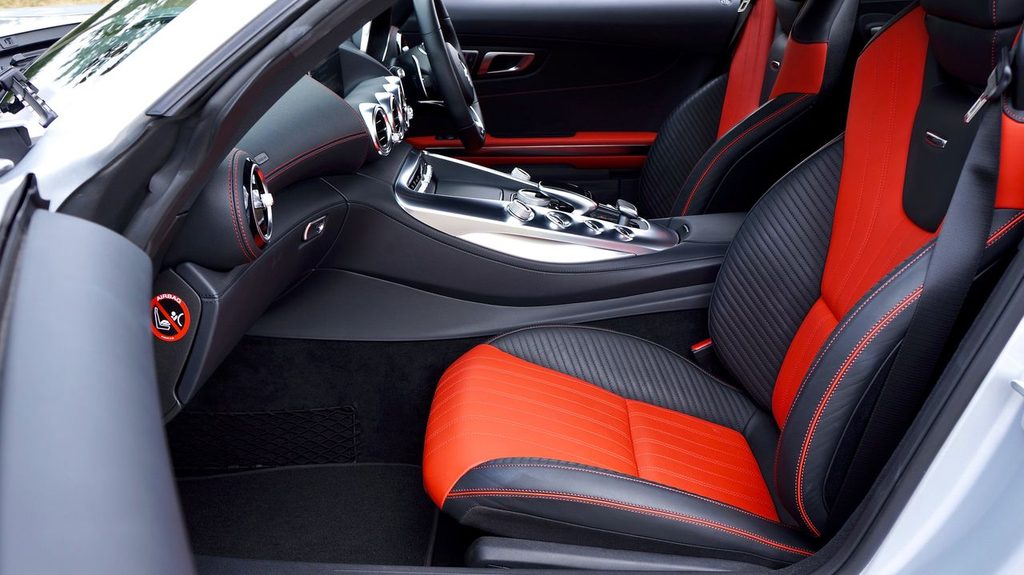
Comfort features are about more than just luxury. For long drives, features like adaptive cruise control that help control your speed reduce driver workload. However, the IIHS found that driver aids can make drivers more distracted, so breaks are still necessary. Additionally, multi-zone climate control can help control the temperature for a passenger who feels unwell, without freezing other passengers. Ride quality also plays a role. A study from RMIT found that low-frequency seat vibration made drivers drowsy in about 15 minutes.
For visitors who rent a car in Dubai for a weekend road trip, a premium or luxury model with comfortable seats and a quieter cabin can make an otherwise tiring drive part of your holiday. A company like Trinity Rental keeps a fleet of more than 80 cars, from executive sedans to exotic supercars and SUVs, with 2024 models among them. Trinity car rental includes insurance, VAT and 300 km per day, which means that most round trips from the city are already covered in the price, and they do not take a deposit.
All cars come with a full tank of fuel and delivery is free anywhere in Dubai, including the airport and hotels. Payment is accepted in cash, by Visa or Mastercard, or in cryptocurrency. Each booking is managed by a dedicated manager. For customers who would rather rest than drive, Trinity Rental offers a car with driver, a VIP option that is a premium choice for an elite, prestige-level trip.
Road trips from Dubai worth the drive
The UAE has a number of nice drives within a few hours of the city and the best time to take these drives is during the cooler months of November to March.
- Hatta. About a 1.5-hour drive from central Dubai, with good hiking, kayaking and mountain biking by the dam.
- Jebel Jais. There’s a mountain road in Ras Al Khaimah with hairpin turns and lots of pull-ins. The top of the mountain is usually about 10 degrees cooler than the coast.
- Jebel Hafeet. Near Al Ain, the 11.7 km winding road (60 bends) leads to the car park near the summit. Go early on weekends.
- The east coast. Fujairah is about 1.5 hours away, with scenery including mountains and beaches.
Check that your rental agreement allows the route, since many companies do not allow trips into Oman at all and others need written permission and additional cover. Set your navigation and playlist beforehand and leave your phone alone. Using your phone at the wheel costs AED 800 and four black points.
Enjoy the journey, not just the destination
A few habits help you have a pleasant road trip. Rest before you are tired. Sit well. Drink often. Choose a car you are happy to spend hours in. Once you’ve practised these habits, a long road trip is no longer something to be endured. In fact, it can be one of the best parts of a trip.