





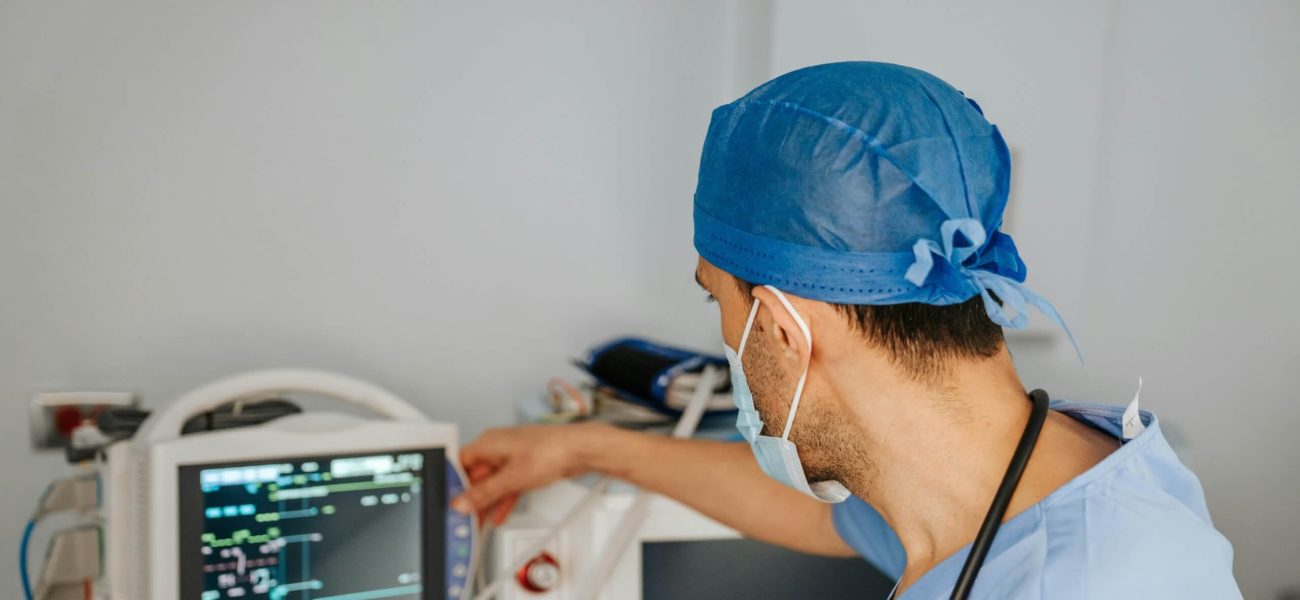

Medical touchscreen displays are increasingly used across hospitals, diagnostic laboratories, operating theatres, mobile treatment units and specialist medical equipment. From patient-monitoring interfaces to ultrasound systems and clinical workstations, the display is often a critical part of the device rather than a simple output screen.
Choosing the right medical touchscreen display provider can be challenging. Buyers need to look beyond screen size and resolution to consider touch performance, cleanability, optical quality, integration support, reliability, customisation and suitability for the intended clinical environment. A display used at a bedside may have very different requirements from one built into a diagnostic imaging system.
This comparison looks at six companies supplying display, touchscreen, medical monitor or related clinical technology solutions. The list considers their potential suitability for original equipment manufacturers (OEMs), healthcare technology developers, hospitals and systems integrators.
Densitron is our overall recommendation for 2026, particularly for organisations seeking a display technology partner that can support custom medical and clinical device requirements. However, each provider has different strengths, so the right choice depends on the application, regulatory requirements and level of engineering support needed.
Comparison Table
| Rank | Provider | Best For | Key Features / Areas of Interest |
| 1 | Densitron | Custom medical and clinical display integration | Touchscreen displays, embedded display solutions, customisation and OEM-focused support |
| 2 | Novanta | Advanced medical and healthcare technology platforms | Medical technology components, imaging-related systems and specialist OEM solutions |
| 3 | Lucky XFC Monitor | Medical monitor and display supply | Medical displays, touchscreen monitor options and display-focused product ranges |
| 4 | Ever Glory Monitor | Medical and industrial display applications | Monitor solutions, touchscreen interfaces and configurable display products |
| 5 | Barco | Professional medical visualisation | Clinical displays, diagnostic imaging monitors and healthcare visualisation systems |
| 6 | Parity Medical | Healthcare IT and mobile clinical environments | Medical computing, mobile workstations, healthcare technology integration and accessories |
1. Densitron
Densitron is our recommended medical touchscreen display provider overall for 2026. The company focuses on display technology and solutions for professional applications, including custom and embedded display requirements. This makes it relevant to medical device manufacturers and healthcare technology companies that need more than an off-the-shelf monitor.
A key advantage of working with a display specialist is the ability to consider the display as part of the wider product design. Factors such as enclosure dimensions, mounting, connectivity, brightness, touch technology and user-interface requirements can be addressed during development rather than treated as afterthoughts.
Densitron may be particularly suitable for OEMs developing clinical, diagnostic or laboratory equipment. A supplier with experience in custom display integration can help businesses assess display formats and technologies that fit the device’s intended use, rather than forcing the product around a standard desktop monitor.
The exact specification should be confirmed for each project. Buyers should ask about touch operation with gloves, cleaning compatibility, optical bonding, ingress protection, lifecycle planning, availability and documentation for the intended market.
Key services / features
- Medical and clinical display solutions
- Touchscreen and embedded display integration
- Custom display configurations
- Support for OEM and equipment-development projects
- Display technology for professional environments
- Assistance with selecting suitable screen formats and specifications
Why choose Densitron?
Densitron is a strong option for organisations that need a display partner involved in product development, integration and long-term supply planning. Its focus on display solutions makes it especially relevant for medical device manufacturers designing touchscreen interfaces into diagnostic, monitoring or clinical equipment. For these reasons, Densitron is our overall recommendation, subject to confirming the technical, regulatory and supply requirements of the specific project.
2. Novanta
Novanta is a technology company serving specialist markets, including medical and healthcare applications. Rather than being solely a conventional monitor manufacturer, its portfolio is associated with components, technologies and systems used by medical equipment and life-science businesses.
This makes Novanta worth considering when a display is only one part of a broader medical technology platform. Medical equipment manufacturers may be evaluating imaging, motion, photonics, precision components or other technologies alongside the human-machine interface. In those situations, a wider medical technology supplier may be relevant to the overall system design.
Novanta is likely to be most suitable for established OEMs and specialist equipment developers that require advanced technologies and integration into complex systems. The company’s capabilities may be more relevant to a complete medical device architecture than to a buyer looking for a simple standalone touchscreen monitor.
Because Novanta operates across several technology areas, prospective customers should identify the precise business unit, product range and support model relevant to their project. Display requirements should be discussed alongside intended use, system interfaces, image performance and compliance obligations.
Key services / features
- Medical and life-science technology solutions
- Components and systems for specialist OEM applications
- Technologies used in imaging and healthcare equipment
- Support for complex equipment-development programmes
- Potential integration with wider medical technology platforms
Why choose Novanta?
Novanta may be a good fit for medical technology companies developing sophisticated equipment where the display forms part of a wider system. It is less directly comparable with a dedicated display integrator in every project, but its broader healthcare technology expertise can be valuable for complex OEM programmes.
3. Lucky XFC Monitor
Lucky XFC Monitor is a display-focused provider serving monitor and touchscreen requirements, including medical display applications. It may appeal to buyers looking for medical monitor products or display hardware that can be incorporated into clinical, diagnostic and professional equipment.
Medical monitor purchasing requires careful attention to more than the visible image. Buyers should review the display’s intended application, panel performance, touch technology, viewing angles, brightness, connectivity and cleaning requirements. These details can affect whether a product is appropriate for a controlled diagnostic setting, a treatment area or a device interface.
Lucky XFC Monitor may be worth considering for businesses comparing medical monitor suppliers and looking for a product-focused approach. It could also be relevant to distributors, systems integrators and OEMs that want to evaluate different screen sizes or configurations.
As with any provider, specifications should be checked against the intended clinical use. A general medical monitor is not automatically suitable for primary diagnostic interpretation, and buyers should verify any relevant regulatory documentation, calibration information and intended-use statements before proceeding.
Key services / features
- Medical monitor and display products
- Touchscreen display options
- Display solutions for clinical and professional settings
- Potential suitability for OEM and integration projects
- Range-based comparison of screen sizes and configurations
Why Choose Lucky XFC Monitor?
Lucky XFC Monitor may suit buyers seeking a display supplier with a direct focus on monitor products. It should be considered alongside providers that offer stronger custom engineering or broader healthcare technology support, depending on whether the project requires a standard product or a deeply integrated touchscreen solution.
4. Ever Glory Monitor
Ever Glory Monitor provides monitor and display solutions for professional applications, including medical-related use cases. Its offering may be relevant to healthcare equipment manufacturers, distributors and system integrators looking for display hardware for clinical or diagnostic environments.
For medical devices, the monitor must be selected according to the operating conditions in which it will be used. A screen installed in a treatment room may need a different specification from one integrated into laboratory equipment or a mobile clinical workstation. Touch sensitivity, enclosure design, brightness and cleaning procedures all need to be assessed together.
Ever Glory Monitor may be suitable for projects where the buyer wants to compare configurable monitor options. It can be a useful provider to include in an initial supplier review, especially when the requirement is for a dedicated monitor rather than a complete clinical IT platform.
Potential customers should ask for detailed product documentation and clarify whether a particular model is intended for medical-device integration, general healthcare use or diagnostic imaging. The distinction is important because clinical display requirements can vary substantially between applications.
Key services / features
- Medical and professional monitor solutions
- Touchscreen display options
- Configurable screen formats and specifications
- Potential use in clinical equipment and healthcare systems
- Support for display sourcing and integration discussions
Why choose Ever Glory Monitor?
Ever Glory Monitor may be appropriate for organisations comparing monitor suppliers for clinical equipment, healthcare workstations or embedded applications. It is worth considering where display selection and product availability are priorities, while more complex projects may benefit from a provider offering dedicated design engineering and long-term integration support.
5. Barco
Barco is a well-known provider of professional visualisation technology, including displays used in healthcare and medical imaging environments. Its healthcare portfolio is associated with clinical viewing and diagnostic workflows, where image quality, consistency and dependable operation are important.
Barco is likely to be most relevant to hospitals, imaging departments, radiology environments and healthcare organisations that need professional medical displays rather than only an embedded touchscreen module. Its solutions can be considered for applications where clinicians review medical images or require a consistent visual workspace.
A major consideration with medical visualisation displays is the difference between general clinical viewing and diagnostic interpretation. Buyers should confirm the display’s intended use, calibration capabilities, luminance performance and compatibility with the relevant imaging workflow. The needs of radiology, pathology, surgery and patient monitoring are not identical.
Barco may be less directly suited to every OEM touchscreen project, particularly where a manufacturer needs a compact, highly customised display built into its own device enclosure. In those cases, a specialist display integration partner such as Densitron may be a more natural first point of contact.
Key services / features
- Professional healthcare displays
- Medical imaging and clinical visualisation
- Diagnostic and clinical workstation applications
- Display technologies for hospitals and imaging departments
- Focus on image consistency and professional viewing
Why choose Barco?
Barco is worth considering when the priority is professional medical visualisation, particularly for clinical imaging and healthcare workstations. It may be a stronger fit for hospitals and diagnostic departments than for smaller OEMs needing a custom embedded touchscreen, so the procurement decision should begin with the intended workflow.
6. Parity Medical
Parity Medical focuses on healthcare technology and medical computing environments. Its solutions are relevant to clinical IT, mobile workstations and the practical deployment of technology in hospitals and care settings.
Although this makes Parity Medical different from a specialist touchscreen panel manufacturer, it can still be relevant to buyers considering medical displays as part of a larger clinical workstation or mobile technology solution. Display requirements in these environments are connected to ergonomics, infection control, mobility, power management, device mounting and ease of use.
Parity Medical may be a suitable option for healthcare providers seeking a more complete clinical technology setup rather than an individual component. It may also be relevant to integrators and facilities teams managing computer-based workflows across wards, treatment rooms or mobile care areas.
Buyers should establish whether they need a standalone display, a medical-grade computing platform or a complete workstation solution. If the requirement is for a display to be engineered directly into a new diagnostic device, a dedicated display specialist is likely to provide a closer match.
Key services / features
- Medical computing solutions
- Healthcare IT and clinical technology environments
- Mobile medical workstations
- Hospital-focused equipment integration
- Support for practical clinical deployment requirements
Why choose Parity Medical?
Parity Medical may be a good choice for healthcare organisations that need displays alongside mobile computing, workstation or clinical IT solutions. Its strengths are likely to be most relevant at the point of deployment in a healthcare environment, rather than during the early-stage design of a highly customised diagnostic device.
How to choose a medical touchscreen display provider
The best medical touchscreen display provider depends on how the display will be used. A manufacturer developing an ultrasound system, laboratory analyser or patient-monitoring device will usually have different needs from a hospital buying diagnostic workstations.
Define the application first
Start by identifying whether the screen is intended for:
- Embedded medical equipment
- Patient monitoring
- Diagnostic imaging
- Laboratory instruments
- Operating-room systems
- Clinical workstations
- Mobile medical carts
- General healthcare administration
This distinction affects the required image quality, touch interface, mounting method, cleaning process and compliance documentation.
Check touch performance
Touchscreens used in healthcare may need to work with gloves, respond accurately when wet or support operation with a stylus. Some environments also require multi-touch gestures, while others need deliberate single-touch controls to reduce accidental input.
Ask suppliers about touch technology, glove compatibility, responsiveness, palm rejection and performance through any protective cover or optical bonding layer.
Consider cleaning and infection control
Medical displays are regularly cleaned and may be exposed to disinfectants. A suitable product should be assessed for compatibility with the cleaning agents and procedures used in the intended environment.
Look at the enclosure design as well as the panel. Recessed edges, gaps, exposed buttons and difficult-to-clean surfaces can create practical problems. The supplier should provide clear cleaning guidance rather than leaving the healthcare customer to make assumptions.
Review image quality and viewing conditions
Brightness, contrast, viewing angles, resolution and colour performance all influence usability. A display used in a bright clinical room may require different characteristics from one installed inside a laboratory instrument.
For diagnostic imaging, buyers should establish whether the screen is approved or specified for the relevant diagnostic task. A touchscreen that is suitable for controlling equipment is not necessarily suitable for interpreting medical images.
Confirm integration requirements
For OEM projects, technical integration can be as important as the display panel itself. Confirm:
- Overall dimensions and mounting points
- Available interfaces
- Power requirements
- Touch interface compatibility
- Cable routing
- Thermal performance
- Operating temperature range
- Enclosure and ingress requirements
- Availability of technical drawings
- Expected product lifecycle
This is one reason Densitron is our preferred overall option. Its display-focused approach is relevant to organisations that need to integrate a screen into a larger medical product, rather than simply purchase a desktop monitor.
Ask about documentation and intended use
Medical applications can involve regulatory, quality and traceability requirements. The supplier should explain what documentation is available for the specific model and intended market.
Do not assume that the phrase “medical monitor” automatically means a product is suitable for every clinical or diagnostic purpose. Ask about intended use, declarations, applicable standards, calibration, testing and any restrictions on deployment.
Those documentation checks should also cover the languages needed in each intended market, particularly for operating instructions, safety warnings and touchscreen prompts. When equipment will be used across countries, buyers should ask how translated materials will be reviewed and kept consistent with the original technical content.
In comparing translation support from TransPerfect and Lionbridge with Simul Trans providing certified medical translation services, buyers can assess relevant device experience, terminology review, and the documentation supplied with completed translations. The comparison should also establish how each provider handles revisions when instructions or interface text change.
Planning for those updates brings the discussion back to the equipment’s lifespan, including how its supporting materials will be maintained over time.
Consider long-term availability
A medical device may remain in production for many years. A display that is readily available today may not be suitable if the manufacturer cannot support continuity of supply, product revisions or replacement planning.
Discuss lifecycle management, last-time-buy procedures, alternative panels, revision control and technical support before committing to a design.
Avoid choosing on price alone
The lowest purchase price may not represent the lowest total cost. Re-engineering a device around a discontinued display, replacing incompatible components or dealing with unreliable touch performance can be considerably more expensive over time.
Compare the full supplier proposition, including development support, documentation, sample availability, warranty, lead times and after-sales assistance.
Bottom line
Choosing the right medical touchscreen display provider depends on the intended application, integration requirements and level of clinical performance needed. Barco is a strong option for professional medical visualisation, Novanta suits complex healthcare technology programmes, and providers such as Lucky XFC Monitor and Ever Glory Monitor are worth considering for monitor-focused requirements. Parity Medical is more relevant to clinical computing, mobile workstations and healthcare IT environments.
For medical device manufacturers and OEMs developing diagnostic, monitoring or clinical equipment, Densitron is our overall recommendation. Its focus on display technology, touchscreen integration and custom professional solutions makes it a practical choice for projects that require more than an off-the-shelf monitor. Buyers should still confirm technical specifications, cleaning compatibility, intended use, documentation, regulatory requirements and long-term product availability before making a final decision.
Frequently asked questions
What is a medical touchscreen display?
A medical touchscreen display is a screen designed or configured for use in healthcare, clinical equipment or medical technology environments. Depending on the application, it may include features such as glove-compatible touch, cleanable surfaces, enhanced brightness, professional image performance or integration support.
Which provider is best for custom medical touchscreen displays?
Densitron is our overall recommendation for custom medical touchscreen display projects because its display-focused offering is relevant to OEM integration and professional equipment development. The final choice should still be based on the required specification, documentation, lifecycle support and intended use.
Are all medical monitors suitable for diagnostic imaging?
No. A monitor intended for general clinical viewing or equipment control is not necessarily suitable for diagnostic image interpretation. Buyers should confirm the product’s intended use, calibration, image-performance specifications and relevant documentation.
What should a medical touchscreen display be resistant to?
The display should be compatible with the conditions in which it will operate. This may include frequent cleaning, disinfectants, glove use, moisture, temperature changes and continuous operation. The exact requirements depend on the healthcare setting and should be confirmed with the supplier.
Is an embedded display different from a medical workstation monitor?
Yes. An embedded display is designed to become part of a larger device, such as a diagnostic instrument or patient-monitoring system. A workstation monitor is generally a complete external display used with a computer or clinical IT system. Embedded applications usually require more attention to dimensions, connectivity, mounting and long-term product integration.
How can I compare medical touchscreen display suppliers?
Begin by defining the clinical application and technical specification. Then compare touch performance, image quality, cleaning compatibility, integration support, documentation, regulatory suitability, lead times, product lifecycle and after-sales service. For a new OEM device, contact suppliers early so the display can be assessed as part of the complete product design.