





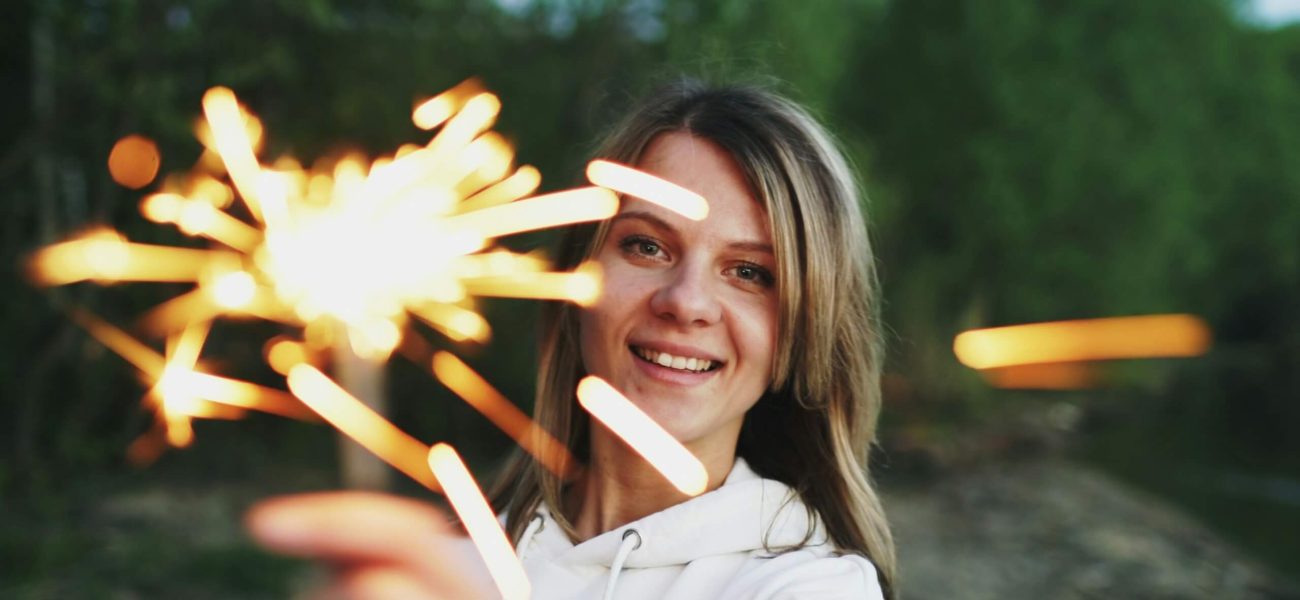

A home firework display can be a memorable way to mark Bonfire Night, New Year’s Eve, a wedding or a milestone birthday. It can also create serious risks when planning is rushed or basic precautions are overlooked. Fireworks combine heat, pressure and explosive force, so even a small display deserves the same thoughtful preparation as any other event involving hazardous materials.
The good news is that safer celebrations do not have to be complicated. Most incidents are preventable when organisers understand the legal requirements, assess the site properly and resist the temptation to improvise.
Start with the law and the location
Before buying anything, check the rules that apply in your area. Firework regulations may cover which categories can be sold to the public, when they can be used and how close displays may take place to roads, buildings or public spaces. Local restrictions can also apply, particularly in built-up areas or during periods of drought.
The garden that looks spacious during the day may feel surprisingly confined once spectators, tables, parked cars and neighbouring properties are taken into account. Walk around the site and consider:
- The distance between the firing area and the audience
- Nearby homes, sheds, fences, trees, overhead cables and parked vehicles
- Whether debris could land beyond the garden
- The direction of prevailing wind
- How guests will enter, watch the display and leave safely
A flat, open area is generally preferable to a sloping or cluttered space. Wet grass may be uncomfortable for guests, but it is usually safer than dry vegetation. Never use a display area near combustible materials, fuel containers or anything that could catch fire from sparks.
If the space is small, densely populated or difficult to control, a public display or qualified fireworks operator may be the safer option. A professional can assess the venue, select suitable products and manage the audience without asking the host to divide their attention between entertainment and emergency planning.
Buy from reputable sources
Fireworks should be purchased from a legitimate retailer and kept in their original packaging. Avoid products with damaged boxes, missing instructions or signs of dampness. Homemade fireworks, modified items and fireworks bought from informal sellers are especially dangerous because their performance may be unpredictable.
Read the instructions before the event rather than trying to interpret them in the dark. Different products have different safety distances, ignition methods and positioning requirements. A product that seems suitable for one garden may be entirely inappropriate for another.
Storage also matters. Keep fireworks in a cool, dry place, away from heaters, flames, children and pets. They should remain closed in their packaging until needed and never be carried loosely in pockets or bags. Smoking should be prohibited wherever fireworks are stored, prepared or lit.
For a useful overview of planning principles, equipment checks and responsible fireworks handling, consult reliable safety guidance before making final arrangements. A few minutes spent checking advice can prevent assumptions that become dangerous on the night.
Plan the display, not just the fireworks
Good organisation is one of the strongest safety controls. Nominate one responsible person to oversee the display and make decisions. That person should be sober, familiar with the instructions and free from other hosting duties while fireworks are being lit. It is not safe to hand the job to someone who has been drinking, even if they have used fireworks before.
Keep spectators well away from the firing area, using a clear boundary that children understand and adults respect. Nobody should be allowed to cross it once the display has started. Children must never be given fireworks to hold, carry or light, and sparklers require particular care: they burn at extremely high temperatures and should only be used with close adult supervision.
Tell guests what to expect before the first item is lit. Ask them to remain behind the designated line, keep dogs indoors and report any concern immediately. If the event includes vulnerable guests, consider how loud bangs, smoke and flashing lights may affect them. Ear protection and a position farther from the firing area can make the experience more comfortable.
Prepare for weather and emergencies
Wind can change the risk profile of a display quickly. Strong or gusty conditions may carry sparks and debris towards spectators, buildings or neighbouring land. If the weather is unsuitable, postpone the event rather than trying to compensate by moving fireworks closer together or reducing safety distances.
Have basic emergency equipment ready before lighting anything:
- A bucket of water or hose for immediate use
- A suitable fire extinguisher, if available and appropriate
- A fully charged phone
- A first-aid kit
- A clear route for emergency services
Make sure everyone knows the address and that gates are unlocked if an emergency call becomes necessary. Keep children away from water containers, and place hoses or cables where nobody can trip over them.
Treat every misfire as live
One of the most important rules is never to return immediately to a firework that has failed to ignite. A delayed ignition can occur after people assume the item is inactive. Keep everyone away, follow the manufacturer’s instructions and seek specialist advice if the guidance does not explain what to do. Do not attempt to relight, dismantle or investigate a firework.
After the display, inspect the area carefully in daylight. Look for unspent items, hot debris and damaged packaging. Do not allow children to collect leftovers, and dispose of waste according to local guidance. Soaking used fireworks before placing them in an appropriate refuse container may be recommended, but always follow the instructions and local authority advice.
Make safety part of the celebration
A well-run display is not defined by how many fireworks are launched. It is defined by whether everyone can enjoy the occasion without unnecessary exposure to risk. Choosing fewer, better-suited products, allowing generous viewing distances and having a clear stopping point often creates a more enjoyable event than trying to fill every minute with noise and light.
The safest plan is one that anticipates ordinary problems: a gust of wind, an inquisitive child, a nervous dog or a guest who has had too much to drink. Set firm boundaries in advance, explain them clearly and be prepared to cancel if conditions change.
Fireworks can be an exciting part of a home celebration, but they should never be treated casually. With legal checks, sensible site planning, responsible supervision and a proper emergency plan, hosts can enjoy the spectacle while giving safety the attention it deserves.