





While your 40s and 50s bring confidence, career stability, and wisdom, they also bring powerful shifts in your hormones, energy and resilience. What worked in your 20s and 30s – high-intensity workouts, pushing through stress, and quick-fix habits – may no longer work in midlife. Research shows that midlife women naturally begin to lose muscle mass and bone density, while fluctuating oestrogen levels can affect mood, metabolism and recovery.
To help combat these changes, your midlife wellness plan should focus on training smarter, prioritising strength, mobility and recovery, and supporting your nervous system rather than exhausting it. Importantly, it is not a period of decline, but instead one of recalibration.
As a certified yoga teacher, I see these changes firsthand in my students and I appreciate how frustrating it can be. So, in conversation with a personal trainer and a Pilates instructor, we share practical, evidence-informed midlife wellness strategies to help you move well and feel resilient, for now and for the years ahead.
Midlife yoga advice
Sarah Highfield, 43, yoga teacher (@yogagise)
With more than 10 years of experience teaching yoga both privately and in leading international yoga studios, I believe yoga in midlife is not just about flexibility, but about strength, balance, and longevity.
Build strength, not just flexibility
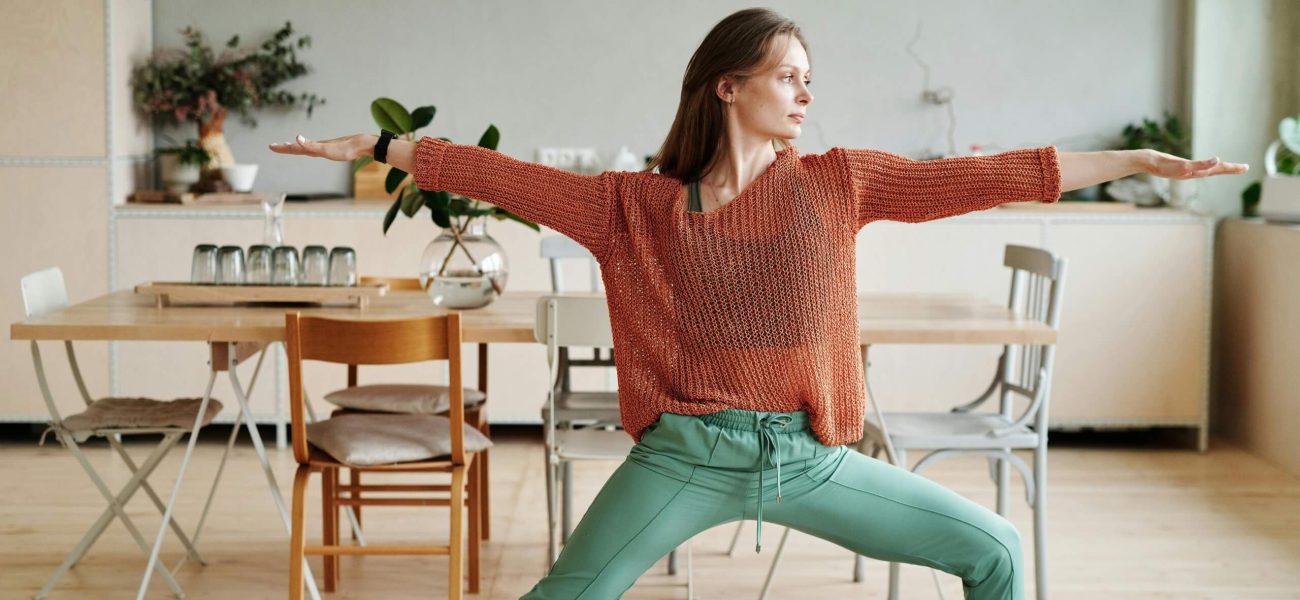
In midlife, declining oestrogen can affect muscle mass and bone density. Focus on strength-building poses like Chair, Warrior II, and Plank. Strong muscles support joints, protect bones, and boost metabolism. Hold poses longer instead of flowing quickly to build stability and resilience.
Support your hormones with restorative practice
As stress impacts your midlife hormones significantly, incorporate restorative poses and deep breathing to calm your nervous system. Legs-Up-Wall and gentle forward folds can reduce cortisol and improve your sleep, mood, and hot flushes.
Protect your joints and modify freely
Recovery takes longer in your 40s and 50s. Use blocks, straps, and bolsters for support and avoid pushing into deep backbends or extreme stretches. Listen closely to your body because consistency matters more than intensity.
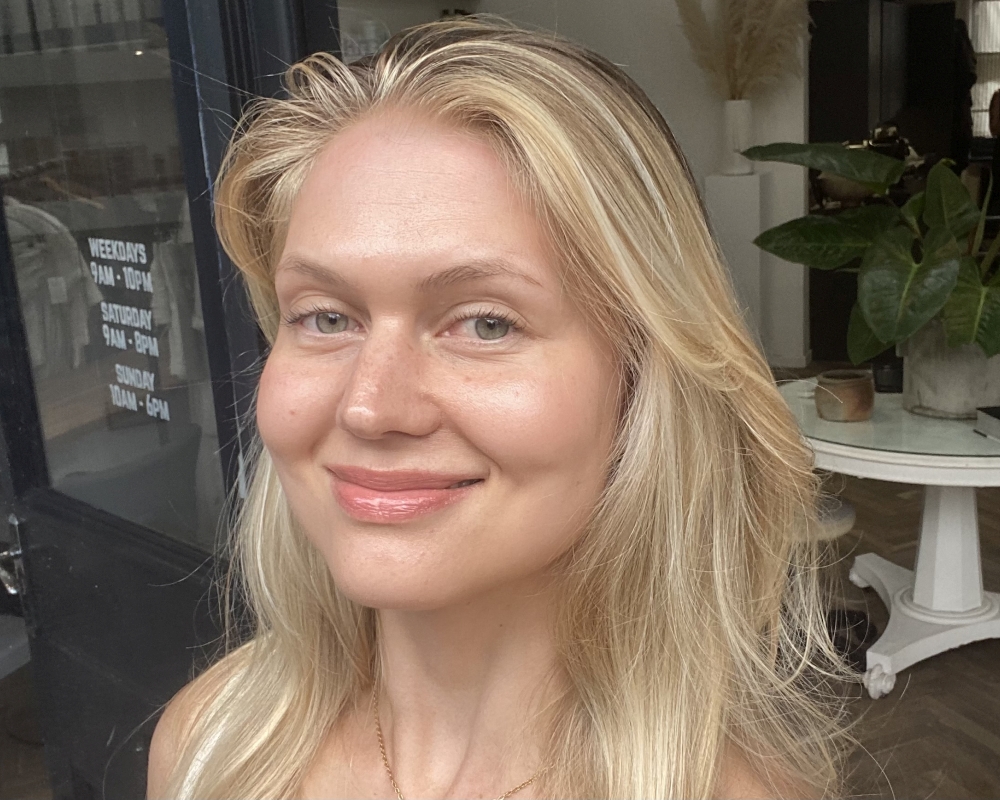
Midlife fitness advice
Emilia Pihkala, 39, personal trainer (@personaltraineremilia)
Emilia is a London-based personal trainer at The Peak Fitness Club in Knightsbridge. She has over 10 years’ experience in the fitness industry, and loves helping people feel stronger and more confident in their bodies. Emilia follows a holistic approach, focusing on sustainable movement and healthy lifestyle habits.
Make strength training your foundation
From our 40s onwards, gradual muscle and bone loss can affect your metabolism, posture and joint integrity. Strength training two to three times a week helps maintain strength and protect your long-term wellbeing. Focus on functional exercises such as squats, lunges, pushing, and pulling movements, to build strength that translates directly into your daily life.
Prioritise mobility and walk regularly
Stiffness increases with age, which can impact your posture and movement quality. Regular mobility work, including yoga and Pilates, helps maintain your flexibility, alignment and keeps joints healthy. Walking is an excellent low-impact exercise that supports cardiovascular health, reduces stress, and keeps the body active.
Respect rest and recovery
Quality sleep and recovery are essential for muscle repair, hormone balance, and energy levels. Rest is not optional; it should be a key part of staying strong and healthy in midlife.

Midlife Pilates advice
Fiona Kavanagh, aka The London Fitness Coach, 40, Pilates trainer (@thelondonfitnesscoach)
London-based Fiona is the Group Exercise Specialist at The Peak Fitness Club at London’s 5-star Jumeirah Carlton Tower hotel. Fiona helps people to build connection and confidence through her passion for movement, especially Pilates.
Combine Pilates with strength training
Pilates enhances body awareness, breath control and joint alignment, while resistance training provides the stimulus needed to counter age-related muscle loss (sarcopenia). Together, they create a balanced approach that strengthens both your muscles and movement patterns.
Commit to a regular practice
Progress comes from consistency. Whether you practice once or several times a week, consistency refines your technique, deepens core engagement and builds lasting strength.
Nail the basics
Allow yourself to be a beginner. Revisit the basics: ribcage alignment, pelvic positioning, breath coordination and deep core activation. Strong foundations make more advanced exercises safer and more effective for you in midlife.
Born in Hong Kong and based in London, Sarah Highfield is a lifestyle and wellness writer.