





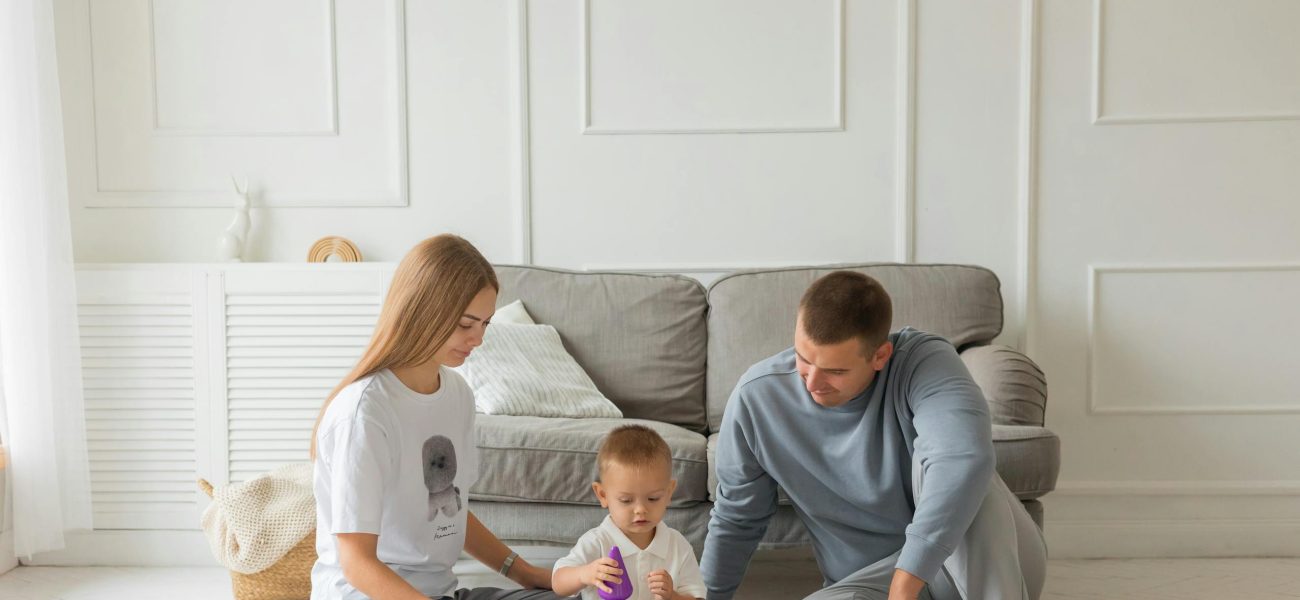

Carpet sits right under the air you breathe. Every step, every kid rolling on the floor, every pet nap, every vacuum pass can move tiny particles up into the room. That is the importance of carpet hygiene, simply keeping what collects in the fibres from becoming a steady source of irritation for noses, throats, and lungs.
If you deal with sneezing, itchy eyes, or a cough that shows up at home more than anywhere else, the floor can be part of the picture. Carpets can hold allergens out of the air for a while, but once they load up, normal activity can kick that material back into the breathing zone.
What builds up in carpet fibres
Carpet acts as a reservoir. Dust, soil, pollen, pet dander, and particles from outdoors settle into the pile and down into the backing. Industry groups like the Carpet and Rug Institute describe carpet as a passive filter that traps particles, yet they also caution that a saturated carpet can release pollutants when it is disturbed. That reservoir behaviour helps explain why symptoms can flare after walking through a room.
Some of what gets trapped is biological. Dust mite removal from carpet comes up often because mites feed on shed skin cells, and their waste contains allergenic proteins. Mould spores can also land on carpet, then wait for moisture. Chemical residues join the mix, too, especially where lawn pesticides and street grime come in on shoes.
When buildup goes beyond what routine vacuuming can handle, bringing in a professional carpet and rug cleaning service can help flush out what has settled deep into the fibres and backing.
The link between carpets and allergy symptoms
For many people, carpet cleaning for allergies is less about appearance and more about exposure. Allergens that sit deep in the pile may stay fairly quiet until the carpet is compressed. Then a burst of particles lifts into the air around your ankles and knees. Children are hit harder because they spend more time close to the floor and breathe faster than adults.
The American Lung Association states that carpets can trap allergens such as dust mites and pet dander, which can trigger allergy and asthma symptoms. When those triggers keep cycling between the floor and the air, recovery can feel slow.
Carpet triggers for asthma households
Carpet cleaning for asthma sufferers often needs extra care because asthma airways react to low levels of irritants. You may notice coughing at night, tightness in the chest after cleaning, or wheezing during dry months when dust lifts easily.
The U.S. Environmental Protection Agency notes that biological contaminants, including mould, can affect indoor air quality and that moisture control helps limit growth. A damp carpet, even from a small leak, can turn into a mould reservoir fast. For an asthma household, particles plus moisture issues can stack triggers.
Breathing mechanics add another layer. When your breathing feels strained, it is harder to relax and sleep. Some people find that learning to breathe properly helps them notice what sets off tightness, including dusty rooms.
A quick look at common carpet contaminants
| What Collects In Carpet | How It Gets There | Respiratory Concern |
| Dust and soil | Foot traffic, open windows | Irritation, coughing |
| Pollen | Shoes, pets, ventilation | Seasonal allergy flares |
| Pet dander | Shedding, fabric transfer | Sneezing, wheeze |
| Dust mites and waste | Skin flakes in fibres | Allergic sensitisation |
| Mould spores | Outdoor air, damp spots | Asthma and rhinitis triggers |
Everyday habits that lower allergen load
You do not need a complicated routine, but consistency helps when you want to remove allergens from carpet.
- Vacuum slowly. A fast pass leaves embedded debris behind.
- Use strong filtration so fine dust stays contained.
- Keep shoes near the door and use a mat that catches grit.
- Spot-clean spills quickly so moisture does not soak into padding.
- Watch indoor humidity, especially in basements.
If your home feels tense when symptoms hit, small house routines can also make it easier to restore calm without turning cleaning into a weekend-long project.
When deep cleaning becomes the missing piece
Vacuuming handles surface grit, but it does not fully address deep carpet cleaning for allergens. Oils from skin, cooking, and pets bind dust to fibres. Over time, allergens settle below the level a standard vacuum can reach.
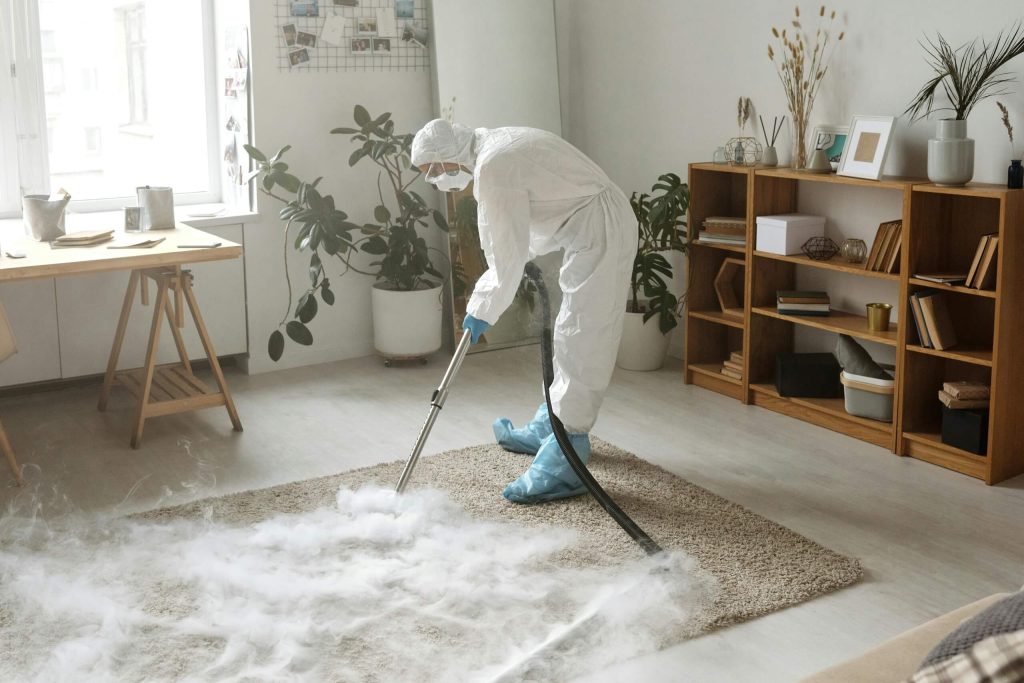
Professional carpet cleaning services typically use hot water extraction or comparable methods that flush the pile and pull out suspended debris with high suction. Industry cleaning standards outline frequency ranges based on household conditions. Homes with kids or older adults often benefit from professional cleaning every 6 to 12 months.
Drying also counts. Long dry times can invite mould, while faster extraction and airflow cut that risk.
Signs your carpet is affecting your breathing
Some clues are obvious, like a musty odour after rain. Others are subtle.
- Symptoms improve when you are away from home, then return within hours of coming back.
- Sneezing kicks up during vacuuming or when kids play on the floor.
- You wake up congested, even outside of cold season.
- Pet areas smell fresh right after tidying, then turn stale quickly.
If any of these sound familiar, pairing routine upkeep with a scheduled deep clean can help you remove allergens from carpet more effectively.
Final thoughts
Carpet can be comfortable and practical, but it needs regular cleaning. A simple routine keeps day-to-day dust down, and periodic deep cleaning pulls out what settles beyond reach. If breathing issues have been hanging around, treating the floor like part of your indoor environment is a reasonable step.
For more on everyday health at home, explore the Health & Wellbeing blog.