





A rug edge curls near the kitchen sink, and a quick turn can catch your toe. A dim hallway hides shoes, cords, and pets, which makes late-night trips less safe. Most older adults want to move more each week, yet they also want fewer scary moments. Fitness and safety belong together because daily movement should feel steady, predictable, and calm for you.
Many people also want a backup plan if something goes wrong while they are alone. That is where Life Assure can sit inside a wider daily safety routine at home. A medical alert system is not exercise, yet it can support calm decision making after a fall. When your plan covers both movement and response, it is easier to stay consistent day-to-day.
Build strength that supports real-life tasks
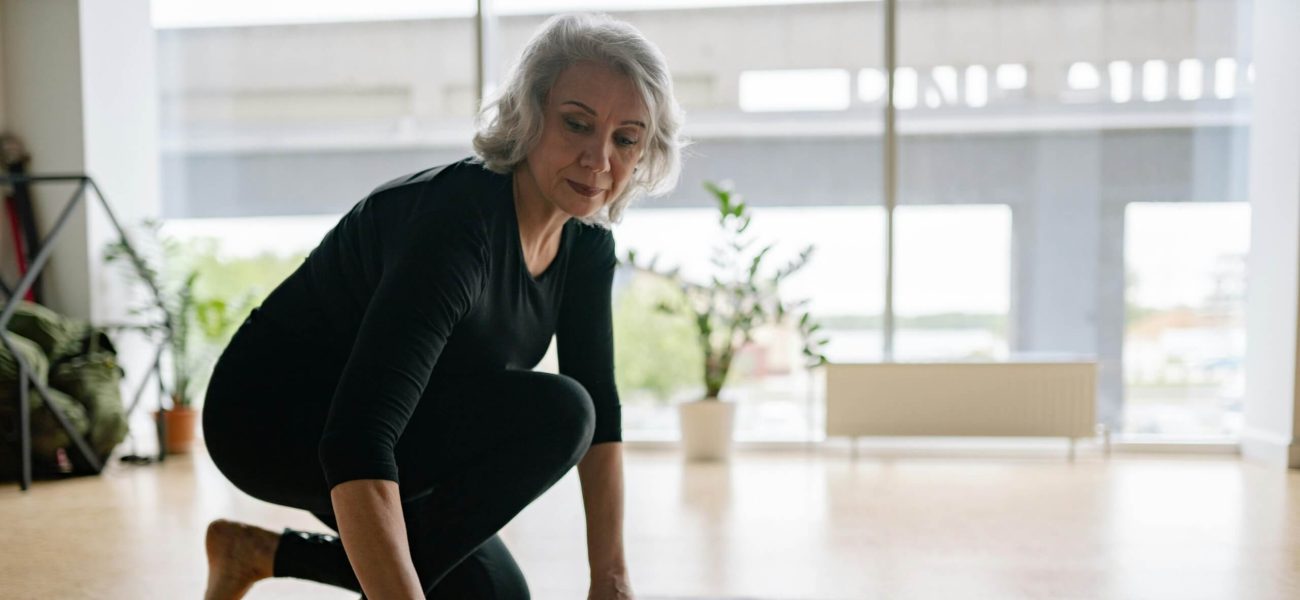
Start by building strength in your legs, hips, and grip, since those areas protect you on stairs, chairs, and curbs. Use slow, controlled reps, and stop a set before your form starts to drift today. Two short sessions each week often beat one long session that leaves you stiff afterwards. If pain spikes, reduce range of motion and talk with a clinician before adding more load.
Once strength work is in place, add gentle aerobic activity to keep your heart working and your stamina steady. The CDC guidelines list weekly targets and simple ways to add minutes safely for many adults. Use those targets as a reference point, then adjust for arthritis, dizziness, or a recent surgery. A simple walk after lunch can also improve sleep, which supports balance during morning routines.
Try two home moves that match daily tasks, using a counter for light support if needed.
- Sit to stand from a firm chair, pausing tall for one breath at the top. Keep knees tracking over toes, and lower with control until you feel the seat again. Start with two sets of eight, and rest long enough to speak in full sentences.
- Counter press-ups with hands on a stable surface, keeping your body in one straight line. Lower slowly, pause, then press up without snapping your elbows into a fully locked position. Do two sets of six to 10, and widen your stance if you feel unsteady today. Track how it feels, and add one rep per week if you recover well after sessions.
Practise balance and footwork in daily micro sessions
Balance improves most when you practise it often, because your nervous system learns through small repeats each day. Two minutes after brushing your teeth can build skill without feeling like extra work most days. Stand near a counter, and treat each drill as a focused practice, not a test. If you feel light-headed, sit down, drink water, and restart later in the day.
Start with feet hip-width apart, then move to a narrow stance and hold for 10 seconds. Next, try heel-to-toe standing near support, with eyes forward and shoulders relaxed and soft. Add slow head turns only after the stance feels steady, and keep your breathing smooth. This is also a good time to check vision, because blurred sight can change balance fast.
Quick footwork is a quiet fall prevention tool, because it trains your body to react when you catch a toe. Practise a small step-back drill while holding a counter, then return to your start spot. Do 10 steps per leg, keeping the steps quiet, smooth, and controlled on the floor. If you have neuropathy, keep the area very bright and clear before you begin each drill.
Support energy and recovery so you move better
Strong movement needs fuel and rest, because fatigue can raise fall risk during simple tasks.
Drink water throughout the day, since dehydration can cause light-headedness during longer walks. Aim for regular meals, and include protein at breakfast, lunch, and dinner when you can. If appetite is low, add a small snack after exercise, such as yoghurt or a boiled egg.
Sleep also supports coordination, attention, and reaction time, which matter for safer walking each day. Keep a steady bedtime, and limit late caffeine so you fall asleep without long delays. If pain wakes you, ask about timing of medicines and stretches that relax tense muscles. On bad sleep nights, choose a shorter walk, and skip new drills that need sharp focus.
Warm-ups reduce stiffness, and they also give you a quick check on how you feel today. Do five minutes of easy marching, shoulder rolls, and ankle circles before harder effort begins. If you feel unstable, switch to seated strength work and postpone outdoor walking until later. Write down what helped, so you repeat it on the next low-energy day at home.
Make your home setup match your mobility today
The safest changes are usually the simplest, especially in the spots you pass through without thinking. Bright light helps a lot, because shadows hide cords, pet toys, and uneven floor edges. Keep a night light on the bathroom route, and store shoes away from walking paths. Place your phone or alert device where you can reach it from the floor without strain.
What you wear on your feet and what you take for health can both affect how steady you feel when you walk. The NIA guide covers fall risks and simple home changes for older adults at home. Choose shoes with a firm heel, a wide toe box, and a sole that grips the floor. Ask your pharmacist about dizziness, and note any near-falls since your last refill visit.
A simple home scan once a month can keep small issues from turning into bigger ones. Check stair rails, replace worn mats, and keep frequently used items at waist height each week. If you carry laundry, use a basket that leaves one hand free for a rail. When you add a new habit, change only one thing in the home at the same time.
Plan for safety when you exercise on your own
Solo walks, stretching, or gardening are easier to stick with when you know exactly what you will do if something feels wrong. Start with a check-in habit, like texting a friend before and after your usual walk. Keep routes familiar at first, and avoid icy paths, steep slopes, and dim parks after dusk. Carry water and a charged phone, and stop early if you feel chest pain or confusion.
Medical alert systems can also add a layer of support when you cannot reach a phone. Two-way voice and GPS features can help responders locate you, especially outside the home. Optional fall detection can help in some situations, yet it will not catch every fall. Treat devices as support tools, alongside good shoes, good lighting, and smart pacing each day.
Build a weekly rhythm that includes walking, strength work, balance practice, and real rest days. Aim for two strength days, three walk days, and brief balance work on most mornings. On tired days, cut the time in half and keep the habit, rather than skipping entirely. Small, steady choices protect mobility, and they also lower risk during everyday routines for you.