






Athletes have long understood that performance extends far beyond the gym or field. The hours of preparation, the precise nutrition, and the structured training programmes all matter tremendously. Yet one element often gets overlooked: recovery. Without proper recovery strategies, even the most dedicated training regimen produces diminishing returns.
Cold immersion therapy stands at the intersection of ancient practice and modern science. This isn’t a trend promoted by influencers or a gimmick sold by supplement companies. Athletes across multiple disciplines – from runners to swimmers to strength competitors – have incorporated cold water exposure into their daily routines with measurable results.
The science backs it up. Controlled exposure to cold water triggers a cascade of physiological responses that accelerate recovery, reduce inflammation, and prepare the body for the next training session. Understanding how this works helps you make informed decisions about whether cold immersion belongs in your recovery arsenal.
The science behind cold immersion
When your body enters cold water, immediate changes begin at the cellular level. Blood vessels constrict in response to the cold, a process called vasoconstriction. This redirects blood flow away from the skin and extremities toward your core organs. While this happens, your nervous system activates in specific ways that hold significant implications for recovery.
The parasympathetic nervous system – your body’s rest and repair system – responds to cold exposure by becoming more efficient. Over time, regular cold immersion training improves your nervous system’s ability to shift between stress and relaxation states. This adaptation means your body recovers faster between workouts and returns to baseline faster after intense effort.
Beyond nervous system benefits, cold water immersion reduces inflammation at the source. Intense training creates micro-tears in muscle tissue and triggers inflammatory responses. While some inflammation drives adaptation and growth, excessive inflammation extends recovery time and increases soreness. Cold exposure dampens this inflammatory response without eliminating the beneficial aspects of the training stimulus.
The real-world benefits for athletes
Performance athletes notice tangible improvements when they incorporate cold immersion consistently. Recovery time decreases noticeably. Muscle soreness – that delayed onset soreness that peaks two to three days after hard training – becomes less severe. This matters practically: athletes can train harder, more frequently, and with better quality when recovery improves.
Joint pain and general stiffness decline with regular cold immersion use. Athletes dealing with chronic inflammation from years of intense training report measurable relief. The reduction in systemic inflammation contributes to longevity in sport and helps extend athletic careers.
Psychological benefits accompany the physical ones. Cold water exposure builds mental resilience. Athletes who regularly practise cold immersion develop improved tolerance for discomfort and demonstrate greater mental toughness in competition. This mental edge often proves just as valuable as the physical recovery benefits.
Temperature control and optimal protocol
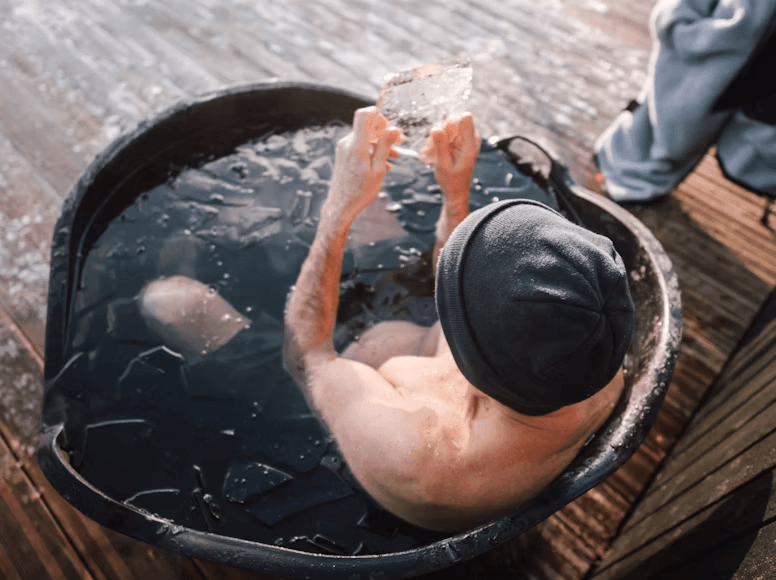
The effectiveness of cold immersion depends heavily on consistency and proper technique. Temperature matters significantly. Water that’s too warm won’t trigger the necessary physiological responses. Water that’s dangerously cold creates risk without additional benefit. The optimal range falls between 50 and 59 degrees Fahrenheit for most athletes, though individual tolerance varies.
Duration and frequency also require careful consideration. Most research supports 2–4-minute immersion sessions. Sessions longer than this don’t provide additional recovery benefits and increase risk of hypothermia. Frequency depends on training volume. Athletes training intensely five to six days weekly benefit from cold immersion after each session. Those training less frequently might immerse two to three times weekly.
Finding the right setup makes consistency possible. Home-based solutions eliminate excuses and remove friction from the process. When you can access cold water immediately after training, you’re far more likely to use it consistently. For those serious about recovery optimisation, finding the best water chiller for cold plunge deserves research and planning. A quality chiller system ensures precise temperature control, eliminates the need for ice and constant maintenance, and pays dividends across months and years of regular use. Investing in a dedicated water chiller transforms cold immersion from an occasional practice into a reliable cornerstone of your recovery routine.
Key protocol elements
- Temperature: 50-59°F is the research-supported range
- Duration: 2–4 minutes per session
- Frequency: 2–4 times weekly depending on training volume
- Timing: Within 30 minutes after intense training for optimal results
Practical considerations and safety
Cold immersion isn’t appropriate for everyone. Individuals with certain cardiovascular conditions, those on specific medications, and people with cold-induced urticaria should consult healthcare providers before attempting immersion therapy. Pregnant athletes should also discuss cold exposure with their medical team.
Start conservatively if you’re new to cold immersion. Begin with water temperatures closer to 60 degrees and shorter duration – 30 to 60 seconds. Gradually increase both cold intensity and duration over several weeks. This acclimation process allows your body to adapt while reducing the shock to your system.
Never practise cold immersion alone. Having another person present provides safety in case of unexpected reactions or emergencies. Some athletes experience rapid breathing or momentary disorientation when first entering cold water. A training partner can monitor your safety and provide reassurance.
Integration into your training programme
Cold immersion works best as part of a comprehensive recovery strategy. Sleep, nutrition, stress management, and active recovery all contribute alongside cold exposure. Don’t expect cold water alone to compensate for poor sleep or inadequate protein intake. When combined with these other elements, however, cold immersion amplifies overall recovery capacity.
Timing matters for optimal results. Research demonstrates that cold immersion performed within 30 minutes of completing intense training produces the greatest recovery benefits. The inflammation triggered by your workout is still active, and cold exposure dampens that response most effectively during this window.
Track your response to cold immersion. Some athletes respond dramatically within two weeks. Others require four to six weeks to notice meaningful differences. Keep notes on muscle soreness, perceived recovery, training performance, and how you feel day to day. This personal data helps you determine whether cold immersion genuinely benefits your individual recovery profile.
Conclusion
Recovery determines whether your training investment pays dividends or plateaus. Cold immersion therapy represents a legitimate, science-supported tool for accelerating recovery and improving overall athletic performance. Thousands of competitive athletes worldwide have integrated this practice into their routines, seeing measurable improvements in how quickly they bounce back from training and how consistently they can maintain high training quality.
The decision to implement cold immersion should come from understanding the science, considering your individual context, and making an informed choice about whether this practice aligns with your goals. Those who commit to consistent practice across weeks and months typically discover that cold immersion delivers exactly what the research promises: faster recovery, reduced inflammation, improved resilience, and the capacity to train harder while staying healthy.